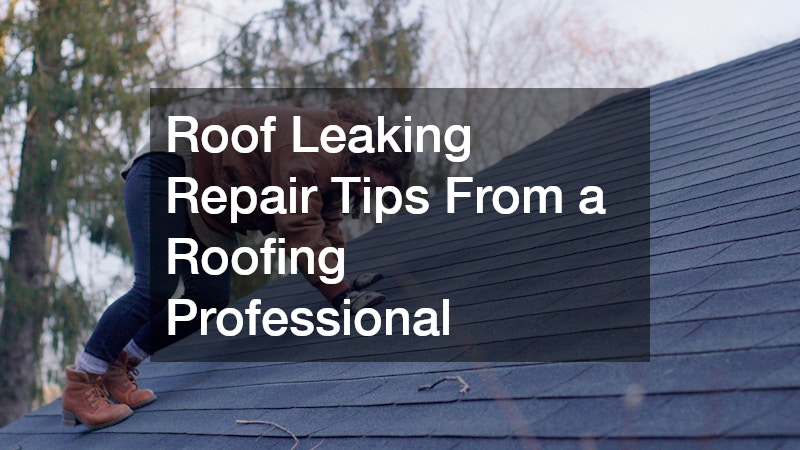
A leak in your roof can quickly turn from a minor annoyance into a major problem if not addressed promptly. Water intrusion can damage ceilings, walls, and insulation, while also fostering mold growth. Whether caused by storm damage, aging materials, or improper installation, knowing how to respond when you notice your roof leaking is essential for protecting your home. Roofing professionals emphasize a combination of immediate actions and long-term solutions to minimize damage and extend the life of your roof.
Identifying the Source of the Leak
Before any repairs can begin, it’s crucial to pinpoint the exact source of the leak. Many homeowners assume that water dripping inside always corresponds to the location of the damage on the roof, but water can travel along beams and settle in unexpected areas.
Inspect the attic for dark spots, damp insulation, or mold growth to help trace the leak’s origin. Checking the roof exterior for missing, cracked, or curled shingles, as well as damaged flashing around vents and chimneys, is equally important.
For safety reasons, avoid climbing onto a wet or damaged roof. Professional roofers often use binoculars or drones to assess conditions without risking injury. They also look for subtle signs like granule loss on shingles, sagging spots, or unusual water stains that may indicate a developing problem. Identifying the source accurately is essential, as patching the wrong area can leave underlying issues unresolved and lead to recurring leaks.
Once you know the problem area, it’s wise to document the damage. Photos and notes can assist in insurance claims and provide a reference if you need professional intervention. Having a clear understanding of the roof leaking location also helps determine whether a temporary patch or a full repair is necessary.
Temporary Solutions to Minimize Damage
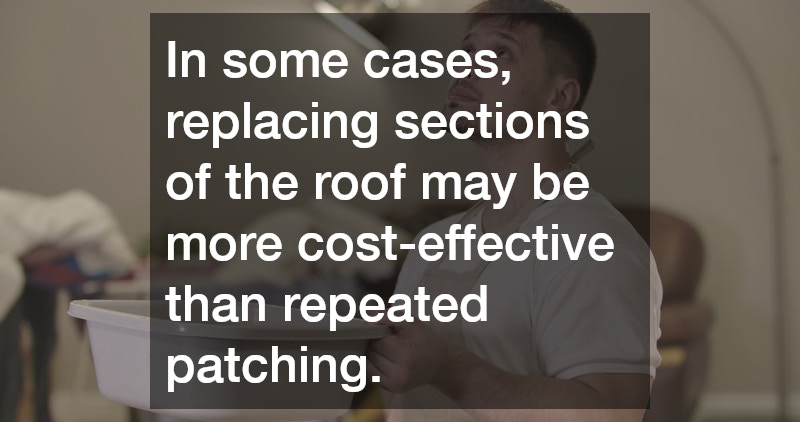
If you notice water pooling inside your home, immediate steps can help prevent extensive damage until permanent repairs can be made. Placing buckets or containers under active drips is an obvious but necessary measure. Protecting floors and furniture with plastic sheeting or towels can limit water damage. In some cases, small holes or gaps can be temporarily sealed with roofing tape or tar products, which can hold until a roofer can perform a more permanent fix.
Roofing professionals caution that temporary fixes are just that—short-term measures. Materials applied to a wet or unstable roof might not adhere properly, and using ladders or stepping on weakened sections can be dangerous. While DIY patches may reduce immediate water intrusion, they should not replace professional evaluation and repair.
Temporary solutions can also involve adjusting drainage around the roof. Cleaning gutters and downspouts ensures water flows away from the foundation and reduces the pressure on weak areas. Even minor preventative steps, like clearing debris from valleys or overhanging branches, can help limit additional damage while you await professional service.
Permanent Repair and Prevention Tips
Addressing the root cause of a leak requires permanent repairs performed either by yourself with the right skills or by a qualified roofing contractor. Common repairs include replacing damaged shingles, resealing flashing, or addressing structural damage to the roof deck. Professionals often recommend evaluating the entire roof for age-related wear, as one leak can indicate potential vulnerabilities elsewhere.
In some cases, replacing sections of the roof may be more cost-effective than repeated patching. High-quality materials and proper installation significantly reduce the likelihood of future leaks. Roofing experts also stress the importance of regular maintenance. Annual inspections, cleaning gutters, and checking for wear after storms can help prevent leaks before they start. Proactive upkeep not only protects your home but can extend the roof’s life by several years.
Consider investing in waterproof underlayment during repairs or replacement, especially in areas prone to heavy rain or snow. This extra layer provides added protection and peace of mind, reducing the risk of water damage even if shingles fail. Additionally, ensuring proper attic ventilation and insulation can prevent moisture buildup, which can compromise roofing materials over time.
With your home’s roof leaking, significant stress can arise, but prompt action combined with professional guidance can mitigate damage and restore the safety of your home. Identifying the source, implementing temporary measures, and pursuing permanent repairs are all critical steps in managing roof issues effectively. Regular maintenance and preventive care remain the best ways to avoid future leaks. By taking a proactive approach and consulting with roofing professionals when needed, homeowners can protect both their property and their peace of mind.