As we navigate an era of increasing environmental awareness and escalating energy costs, the importance of sustainable living has never been more pronounced. This guide takes a deep dive into various home upgrades that can compress energy consumption while slashing utility bills, presenting a duo of fiscal and ecological benefits.
Homeowners around the globe are feeling the push towards greener living standards, incentivized by the allure of lower energy bills and a reduced carbon footprint. This article will meticulously explore a variety of improvements and alterations to residential spaces that align with these modern-day imperatives.
Energy efficiency is a cornerstone of responsible home management. Not only does it contribute significantly to lowering household expenses, but it also plays a pivotal role in decreasing the strain on our planet’s resources. By optimizing energy use, we can minimize our environmental impact and participate actively in the global movement towards sustainability.
The transition towards energy efficiency starts at home. Every step taken towards using less energy contributes to a broader societal shift, and upgrading your home is a practical, tangible way to make a difference.
1. How effective is window replacement in reducing energy costs?
Window glass replacement is one of the most effective methods of reducing energy costs. Modern window technologies, such as double-pane or low-emissivity glass, can drastically cut down on heat transfer, leading to better temperature regulation. Consequently, homes with upgraded window glass often experience a notable decrease in heating and cooling expenses.
Different types of energy-efficient window glass offer unique advantages. For instance, double-glazed windows feature two layers of glass with a sealed air space in between, providing superior insulation. In addition, low-E coatings reflect infrared light, keeping heat inside in winter and outside during summer.
While window glass replacement may involve significant upfront costs, the potential savings in utility expenses are substantial over time. Homeowners often see a return on investment through reduced energy bills. Furthermore, enhanced energy efficiency contributes to a home’s overall market value.
2. What are the advantages of exterior door replacement?
Exterior entry door replacement can significantly enhance a home’s energy efficiency. New doors often come with better insulation properties, reducing air leakage and maintaining indoor temperatures more effectively. This upgrade not only boosts energy savings but also enhances comfort by minimizing drafts.
Material choices play a crucial role in the energy performance of new exterior doors. Steel doors, for instance, are highly durable and often include insulating foam cores to improve efficiency. On the other hand, fiberglass doors can provide superior insulation and are resistant to warping and changes in temperature.
Proper installation is key to maximizing the energy-saving benefits of new exterior doors. Ensuring a tight fit without gaps or leaks is essential. Additionally, integrating weather stripping and threshold seals can further augment a door’s performance.
3. How to choose the right insulation contractor
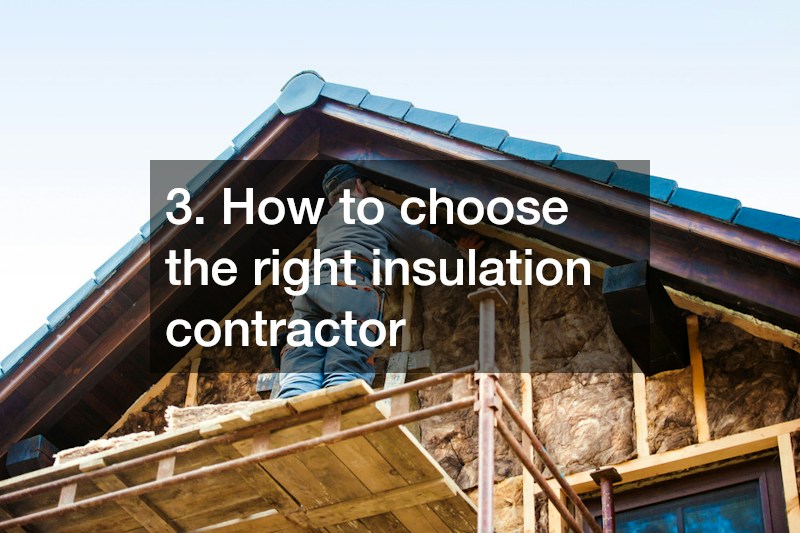
Selecting the right local insulation contractor is crucial for achieving optimal home energy performance. Experience and reputation are key factors; homeowners should seek contractors with a proven track record in efficient and high-quality installations. Checking references and previous work can provide insights into a contractor’s reliability.
When choosing an insulation contractor, it’s essential to discuss specific insulation needs and options. Not all materials are suitable for every home; therefore, a knowledgeable contractor will be able to assess and recommend the best fit. From fiberglass to spray foam, various insulation types offer different energy performance benefits.
It’s also vital to evaluate the costs versus the benefits of hiring a contractor. While professional installation may incur higher upfront costs, the efficiency improvements and potential energy savings can be substantial. A good contractor will offer transparent pricing and help homeowners understand the return on their investment.
4. What is the importance of crawl space or attic insulation?
Crawl space insulations play a critical role in maintaining a home’s overall energy efficiency. By insulating these areas, homeowners can prevent cold air from entering the living space during colder months, resulting in lower heating requirements. During the summer, it helps in keeping the indoor temperature cool by blocking external heat.
There are several insulation options suitable for crawl spaces, each with distinct advantages. Rigid foam boards, for instance, provide excellent moisture resistance and insulation properties. Alternatively, fiberglass batts are a cost-effective option that can be installed without specialized equipment, though they must be protected from moisture for optimal performance.
Implementing crawl space insulation can lead to improved indoor air quality and higher energy efficiency. Properly insulated crawl spaces prevent moisture buildup and related issues such as mold growth. These benefits contribute to a healthier living environment and long-term energy savings.
5. How do HVAC services contribute to energy efficiency?
HVAC companies offer a range of services that greatly contribute to a home’s energy efficiency. By providing regular maintenance, they ensure that HVAC systems operate at peak performance, reducing energy waste. Maintenance services may include cleaning coils, replacing filters, and checking for any system inefficiencies.
An energy-efficient HVAC system not only lowers utility costs but also extends the unit’s lifespan. Timely repairs and performance checks are crucial for detecting issues early and maintaining system efficiency. Additionally, professional HVAC companies can offer advice on upgrades like programmable thermostats, which improve temperature control.
Innovations in HVAC technology continue to enhance energy savings in modern homes. Systems with advanced energy-monitoring capabilities or variable speed compressors allow for improved management of energy consumption. Partnering with reputable HVAC companies can help homeowners stay informed about the latest developments and opportunities for energy efficiency.
6. What role does an electrician play in home energy savings?
Residential electricians are pivotal in implementing electrical upgrades that enhance home energy savings. By updating old wiring and systems, electricians ensure that electricity flows more efficiently, reducing unnecessary power consumption. They can also install energy-efficient lighting options, like LEDs, which use significantly less energy than traditional bulbs.
In addition to basic electrical upgrades, electricians play an important role in integrating smart home technologies. These systems allow homeowners to monitor and control energy use through devices such as smart thermostats, lighting automation, and energy trackers. Such technologies offer enhanced insights into daily consumption patterns and potential areas for savings.
Moreover, electricians ensure that all upgrades and installations meet current safety standards and compliance regulations. This not only prevents energy wastage but also safeguards against electrical hazards. As a result, investing in skilled electrical services can be both cost-effective and safety-conscious.
7. Why is selecting the right garage company important for energy savings?
The right garage door company can make a significant impact on a home’s energy savings. Garage doors with premium insulation properties help minimize heat and cool air loss, especially if the garage is attached to the main building. Insulation quality directly affects temperature stability and, consequently, utility bills.
Different garage door materials offer varying energy efficiency benefits. Insulated steel doors, for instance, combine durability with excellent thermal performance. Alternative materials like wood may appeal aesthetically but require additional insulation efforts to achieve similar energy efficiency.
Long-term garage door maintenance is another crucial element of energy efficiency. Regular inspections and timely repairs, such as sealing gaps or adjusting the door alignment, contribute to sustained energy savings. Partnering with a reputable garage door company can ensure optimal performance and lower energy use over time.
8. How does cleaning air ducts contribute to energy reduction?
Regular air duct cleaning is vital for maintaining an efficient HVAC system and reducing energy consumption. Clean ducts allow for optimal airflow, decreasing the workload on heating and cooling systems and leading to lower energy use. Furthermore, clean ducts improve indoor air quality, promoting a healthier living environment.
Homeowners should look for signs indicating that their air ducts need cleaning. These may include visible dust buildup around vents, inconsistent airflow, or an unexplained increase in energy bills. Addressing these issues promptly can prevent more significant problems and inefficiencies from arising.
Deciding between professional air duct cleaning and a DIY approach depends on the individual’s ability and the system’s complexity. While DIY maintenance may offer cost savings, professional services deliver thorough cleaning and can help identify any underlying issues. Professional cleaning typically results in more efficient and longer-lasting energy reductions.
9. What are the savings associated with heating oil?
Effective management of heating oil services is crucial for maximizing cost and energy savings. Ensuring a well-maintained heating system can lead to better oil usage efficiency, reducing the overall consumption and expense. Proper tank maintenance and regular servicing play a critical role in achieving these benefits.
Many providers offer service plans that can aid in cost-efficiency over time. These plans often include regular maintenance checks, combined with discounts on oil delivery, ensuring homeowners do not face unexpected expenses. Evaluating these service options can help in maintaining consistent energy cost savings.
Seasonal considerations, such as preparing the heating system before winter, are essential for ensuring optimal heating oil efficiency. Implementing strategies like insulation upgrades or thermostat adjustments can further extend heating oil resources. Effective use of heating oil services exemplifies how strategic planning leads to tangible savings.
10. What benefits does siding provide for energy reduction?
Siding companies can significantly impact a home’s energy efficiency through the installation of insulated siding. This upgrade helps to buffer against extreme outdoor temperatures, maintaining consistent indoor temperatures and reducing reliance on heating and cooling systems. Insulated sides are effective in lowering utility costs while enhancing comfort.
There are various siding options to consider, each offering different energy efficiency and aesthetic benefits. Vinyl siding, for instance, is popular for its low maintenance and energy performance; wood siding provides a classic appearance but may require additional insulation measures. Fiber cement presents a durable, low-maintenance solution with decent insulation properties.
Proper installation by knowledgeable siding companies is crucial for maximizing the energy efficiency benefits of new siding. Correct installation ensures an airtight fit that prevents drafts and minimizes energy loss. When done professionally, siding upgrades offer long-term energy savings and improve overall home value.
Implementing a range of carefully chosen upgrades to your home can lead to a multitude of benefits, both immediate and long-term. These improvements are pivotal in enhancing the energy efficiency of your home. What does increased energy efficiency mean for you as a homeowner? Primarily, it results in a notable reduction in your utility costs. By using less energy for heating, cooling, lighting, and operating appliances, you significantly lower the amount on your monthly energy bills, savings that accumulate over time.
Beyond just the financial aspect, such upgrades enhance the overall comfort of your living environment. Imagine living in a home that maintains a steady temperature across seasons, thanks to advanced insulation and high-efficiency heating and cooling systems. The reduction in drafts and temperature fluctuations greatly improves daily living comfort. Moreover, certain upgrades like better insulation and efficient windows can help reduce noise pollution, creating a more serene household.
Home improvements aimed at boosting energy efficiency can also raise the market value of your property. Buyers today are more environmentally conscious and often favor homes that promise lower energy costs and smaller carbon footprints. Thus, investing in these upgrades not only brings immediate comfort and savings but also makes your property more attractive to future buyers, should you choose to sell it.
With thoughtful planning and strategic decision-making, choosing the right solutions tailored to your home’s needs can be straightforward and rewarding. Whether it’s installing solar panels, upgrading to energy-efficient appliances, or improving your home’s insulation, each step contributes to making a significant, positive impact not only on your life but on the environment as well. By decreasing your home energy consumption, you actively participate in the global effort to reduce greenhouse gas emissions and promote sustainable living.
Ultimately, these enhancements lead to a win-win scenario: improved living conditions and savings for you, along with contributing to environmental sustainability. The key is to assess your current home’s energy needs and consult with professionals to implement the most effective solutions. Embrace this opportunity for transformation, benefit financially, enjoy enhanced living comfort, and take pride in contributing to a healthier planet for future generations.